
If you have been taking Semaglutide or Tirzepatide and noticing changes in your skin that don’t match the progress on the scale, you are not imagining things. GLP-1 weight loss skin tightening is one of the most searched topics among patients on these medications, and for good reason. Rapid fat loss often reveals a gap between how you feel and how your body looks, especially around the face, arms, abdomen, and thighs.
The good news is that loose skin after weight loss is not a permanent trade-off. With the right combination of treatments timed alongside your medical weight loss program, your skin can adapt and tighten as the fat continues to decrease. This guide breaks down what is happening biologically, which treatments address each concern, and why starting early matters more than most people realize.
What Causes Skin Laxity During GLP-1 Weight Loss
GLP-1 medications like Semaglutide and Tirzepatide work by reducing appetite and improving metabolic function, which leads to consistent and often significant fat loss. The problem is that subcutaneous fat sits directly beneath the skin and acts as structural padding. As that fat decreases, the skin loses the support holding it in place.
Collagen and elastin are the two proteins responsible for keeping skin firm and flexible. Both naturally decline with age. So when rapid weight loss removes the volume underneath, the skin does not have enough remodeling capacity to retract on its own. This is different from the visceral fat that GLP-1s also target around the organs. Visceral fat loss improves metabolic health, but it is the subcutaneous loss that changes how the body looks on the surface.
“Ozempic Face” and Body Laxity After GLP-1 Medications
The term “Ozempic face” has gained widespread attention because it describes something very specific. Patients lose fat in the cheeks, temples, and around the jawline, which creates a hollow or deflated appearance. The face can look older or more drawn, even though the patient is healthier overall.
This same effect occurs across the body. Arms may feel less anchored. The abdomen can fold when sitting. Thighs and the area below the chin may look soft or slack. None of this means the medication failed. It means the fat loss happened faster than the skin could rebuild its internal framework. Treating this as a technical issue rather than an inevitable consequence is what separates a reactive approach from a proactive one.
Why Lymphatic Drainage Matters for GLP-1 Patients
As fat cells shrink under the influence of GLP-1 medications, they release stored contents into the surrounding tissue. Your lymphatic system is responsible for processing and eliminating this metabolic waste. The challenge is that rapid fat breakdown overwhelms the system, leading to fluid retention, sluggish circulation, and increased inflammation, all of which slow down the skin’s ability to heal and remodel.
Lymphatic drainage for weight loss is not a luxury add-on. It directly supports the body’s filtration process during active fat loss. Mechanical treatments like Endospheres therapy and LPG Endermologie accelerate the movement of lymphatic fluid, reduce water retention, and improve local blood flow. Better circulation means more oxygen and nutrients reach the dermis, which is critical for collagen production and overall skin health during this period.
How Endospheres and LPG Support the Weight Loss Process
Endospheres therapy uses a device with rotating microspheres that compress and decompress the tissue in a rhythmic pattern. This stimulates lymphatic flow while also improving muscle tone and tissue density in the treated areas. LPG Endermologie uses a similar mechanical approach with rollers and suction to mobilize fluid and smooth the skin surface.
Both treatments serve a dual purpose for GLP-1 patients. They help the body eliminate waste more efficiently, and they promote the kind of microcirculation that skin needs to stay resilient during a period of change. Most patients benefit from a series of sessions spaced throughout their weight loss timeline rather than a single treatment at the end.
Proactive Skin Tightening During Weight Loss, Not After
One of the most common misconceptions about preventing sagging skin during weight loss is the idea that you should wait until you reach your goal weight before addressing laxity. By that point, months or even years of collagen loss have already occurred, making the remodeling process significantly harder.
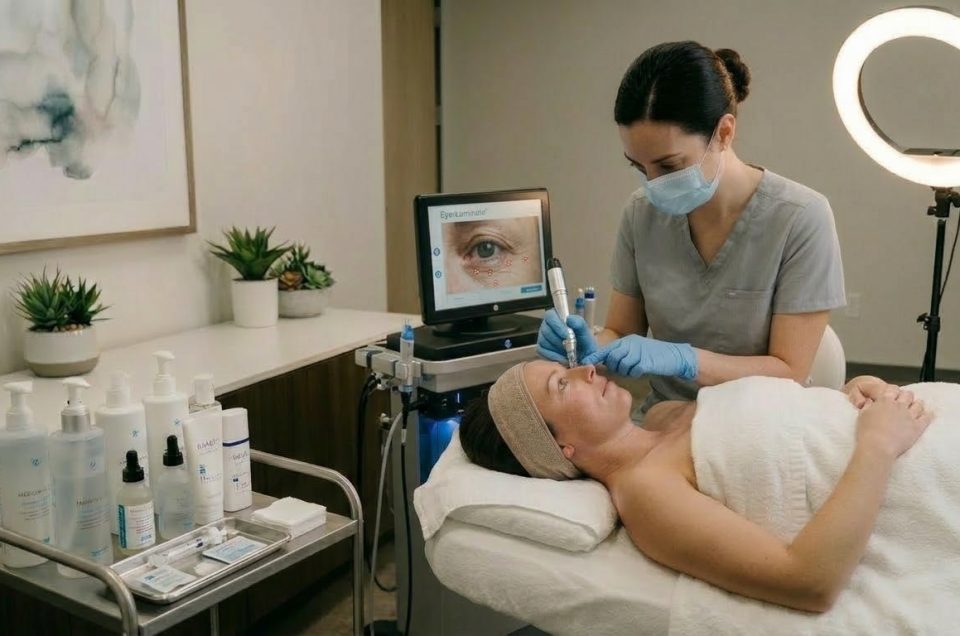
Starting skin tightening treatments while the weight is still coming off gives the dermal layers a head start. Radiofrequency technologies like Morpheus8 and Venus Legacy deliver controlled heat into the deeper layers of the skin, triggering the production of new collagen and elastin fibers. As these fibers mature over the following weeks and months, the skin gradually firms and retracts alongside the changing body composition.
Morpheus8 and Venus Legacy for Collagen Stimulation
Morpheus8 combines microneedling with radiofrequency energy, reaching the subdermal tissue where collagen remodeling has the most impact. It is effective for both the face and body, making it a versatile option for patients dealing with loose skin after Semaglutide in multiple areas.
Venus Legacy uses multipolar radiofrequency combined with pulsed electromagnetic fields to heat the tissue and stimulate fibroblast activity. It is particularly well suited for body contouring after Tirzepatide, especially in areas like the abdomen, thighs, and arms where skin laxity tends to be most visible.
The key with both treatments is timing. Beginning a series of sessions early in the GLP-1 protocol allows the collagen gains to mature in parallel with fat loss, so the skin keeps pace instead of falling behind.
Restoring Volume After Fat Loss
Once the fat has decreased, some areas of the face and body may need volume to be strategically replaced or stimulated. This is especially true for patients experiencing Ozempic face treatment concerns, where the temples, cheeks, and jawline have lost the fullness that once defined their facial structure.
Biostimulators like Sculptra work differently from traditional fillers. Instead of adding temporary volume, Sculptra stimulates your own collagen production over time, creating gradual and natural-looking restoration. It is used for the face, but also increasingly for body areas like the hips and buttocks, offering a non-surgical alternative for patients who have lost curves during their GLP-1 protocol.
Building a Complete Weight Loss Support Protocol
The most effective approach to body contouring after GLP-1 weight loss combines several treatment categories, each addressing a different aspect of the transformation.
Metabolic support through GLP-1 medications manages appetite and fat reduction. Lymphatic drainage through Endospheres or LPG flushes metabolic waste and reduces inflammation. Energy-based skin tightening through Morpheus8 or Venus Legacy stimulates collagen to help the skin retract. Volume restoration through Sculptra or similar biostimulators replaces lost structure in targeted areas.
Each of these layers addresses a specific biological need. Medication handles the metabolic component. Lymphatic support handles elimination. Skin tightening handles remodeling. And volume restoration handles the finishing touches. Treating them as a connected protocol rather than isolated services produces results that look balanced and proportional.
What to Expect and How to Plan Your Treatments
Most patients begin noticing visible changes from RF-based skin tightening within four to six weeks, with full results developing over three to six months. Lymphatic drainage sessions typically produce immediate improvements in fluid retention and skin texture, with cumulative benefits over a treatment series. Sculptra results build gradually over two to three months following each session.
The timing of each treatment depends on where you are in your weight loss journey, how your skin is responding, and your individual goals. A consultation helps map out the right combination and sequence so that every treatment supports the others rather than working in isolation.
Your weight loss is an investment in your health. Supporting your skin and body through the process is how you protect that investment and feel confident in the outcome.
-

Solea Medical Spa and Beauty Lounge your first and final destination for all your beauty and medical needs.
info@soleabeautylounge.com